Tinder's €11m fine: how to ask any company for a full copy of your personal data
Ireland fined Tinder's owner €11m because its data download left things out. Here's what your GDPR right of access covers and how to use it, step by step.
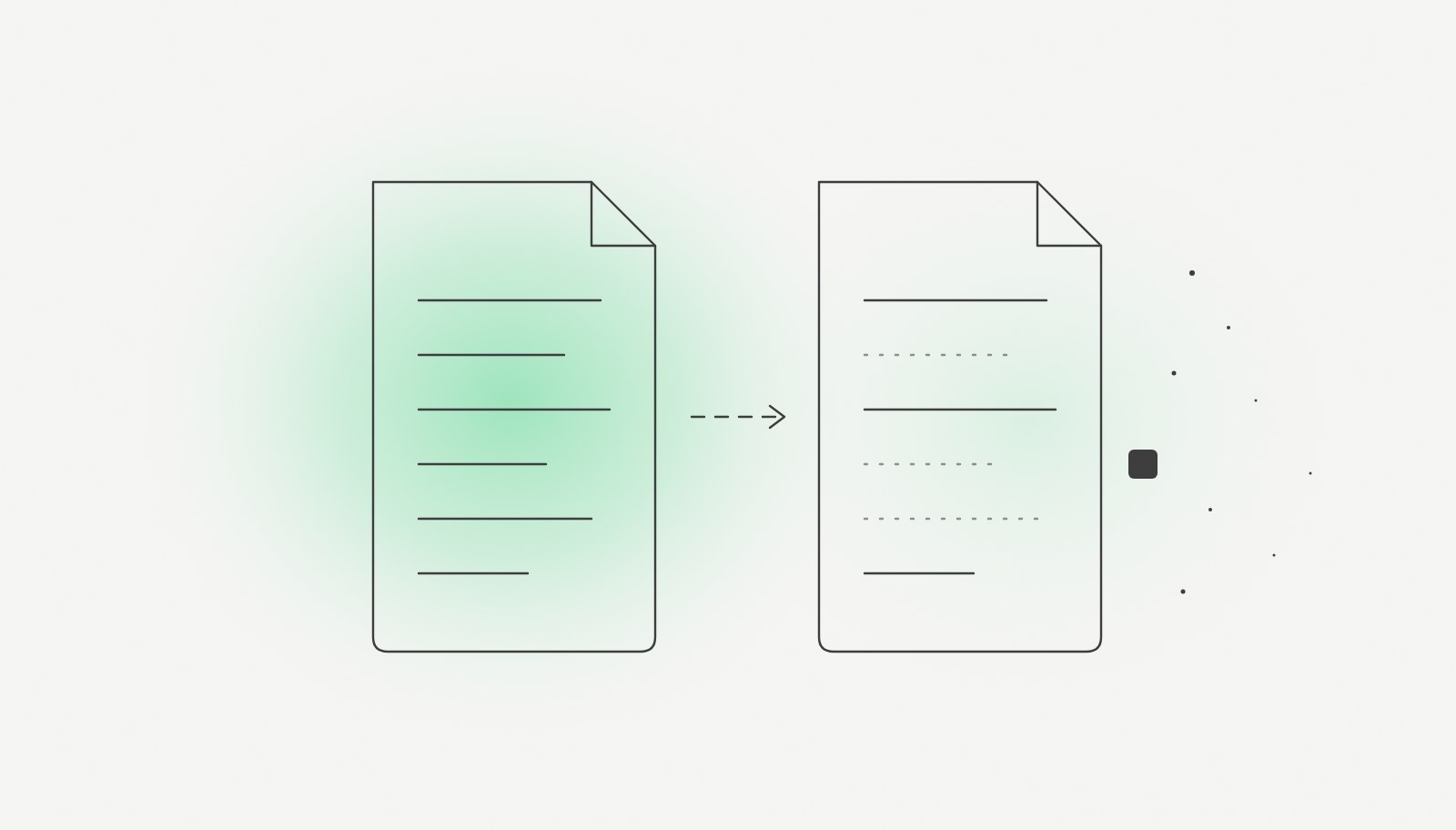
On 13 November 2026, Ireland's Data Protection Commission (DPC) fined MTCH Technology Services Limited, the company behind Tinder in Europe, €11 million. The problem wasn't a hack or a leak. It was the "Download My Data" button: when Tinder users asked for a copy of their personal data, they didn't get all of it.
That sounds like a technicality. It isn't. Your right to see what a company holds about you is the starting point for every other privacy right you have — you can't correct, delete or object to data you don't know exists. This post explains what the decision says, what you're entitled to, and how to ask any company, including data brokers and people-search sites, for your data.
What the regulator found
The DPC opened the inquiry on its own initiative in January 2020. According to its announcement, the decision concerns MTCH's failure to give Tinder users a complete copy of their personal data on request, as Article 15(3) of the GDPR requires. Some categories of information were left out without telling the user, or were only provided in summary form.
- The fine: €11 million, plus a reprimand.
- The order: MTCH must bring its processing into compliance within three months.
- The scale: the DPC's Deputy Commissioner Graham Doyle said tens of thousands of users used the Download My Data tool during the period the inquiry looked at.
- The response: according to the Irish Examiner, Match Group has said it will appeal.
The DPC was careful about what it was not saying. Self-service download tools are allowed, and they don't have to include everything — but they must be honest about what they leave out.
These tools do not need to provide a complete copy of personal data but they must be fair and transparent to individuals regarding the extent of the data provided. — Graham Doyle, Data Protection Commission
In other words: a download button is a convenience, not the limit of your rights. If you want everything, you can ask for everything.
What the right of access actually gives you
Article 15 of the GDPR lets you ask any organisation whether it processes your personal data and, if it does, to get a copy. Along with the copy, you're entitled to know:
- why they process it (the purposes);
- which categories of data they hold;
- who they have shared it with or will share it with, especially outside the EU;
- how long they plan to keep it, or how they decide that;
- where they got it, if they didn't collect it from you;
- whether they use it for automated decisions or profiling, and what logic is involved;
- that you can ask for correction or erasure, object, and complain to a data protection authority.
Under Article 12, the company has to answer within one month. It can extend that by two further months for complex or numerous requests, but it must tell you within the first month and explain why. The first copy is free; a company can only charge or refuse if a request is manifestly unfounded or excessive — for example, the same request sent over and over — and it has to be able to prove that.
Why this matters beyond dating apps
Dating apps hold some of the most personal data there is: photos, location, who you talk to, what you're looking for. But the same rule applies to your bank, your phone company, your old gym and every site that lists you without asking. Knowing exactly what's out there is how you decide what to delete.
It's also a security question. Scams work best when the scammer already knows your name, address, phone number and a few details about your life. Data you've forgotten about — an old account, a broker profile, a copied directory listing — is still data someone else can use. An access request is how you find out what a company holds; erasure is how you shrink it.
How to make an access request in five steps
Find the right contact
Look for a privacy policy, a "Your privacy rights" page or a data protection officer email. Many companies have a dedicated form. If you use a form, take a screenshot of what you sent.
Write a clear request
Use a subject line like "Subject access request (Article 15 GDPR)". Include your name, the email address, phone number or username linked to your account, and the date. Ask for a copy of all personal data they hold about you plus the information listed in Article 15, including the source.
Be specific if you can
If you're after something in particular — location history, messages, who your data was shared with — say so, and give dates or account numbers that help them find it.
Expect a possible identity check
If a company has reasonable doubts about who you are, it can ask for additional information to confirm it. Before sending anything sensitive, such as a scan of your ID, ask yourself whether the details linked to your account would already prove it's you.
Put the deadline in your calendar
One month from the day they received it. Keep copies of everything you send and receive.
If they ignore you, or the answer is incomplete
The Tinder case shows that an answer can arrive and still fall short. Check what you got against the Article 15 list. If whole categories are missing — or the source of the data isn't mentioned — write back and ask for the rest, quoting your original request.
If a month passes with no reply and no notice of an extension, send a polite follow-up. If that doesn't work, you can complain to your data protection authority — in Ireland, that's the DPC. The UK's Information Commissioner's Office asks people to raise complaints within three months of their last meaningful contact with the organisation, so don't let it slide.
Where BetterPrivacy fits in
An access request works when you know which company to ask. The hard part is that the sites publishing your details — people-search pages, data brokers, directories, forums — rarely tell you they exist. That's the gap BetterPrivacy fills: it finds pages that show your personal data, ranks them by how sensitive they are, finds each site's privacy contact and prepares a GDPR or CCPA removal request for you to review and send, then tracks which pages come down and alerts you if your data reappears.
A free scan shows your top 3 results in full. From there, you can ask each site what it holds and where it got it — or simply ask it to delete it.
Three things you can do today
- Pick one app you've used for years and send it an access request. See what comes back, and whether it matches what the download button gives you.
- When a site lists you without asking, ask it where it got your data before you ask it to delete it.
- Run a free BetterPrivacy scan to see which sites publish your details, so you know where to start.
Sources
- Data Protection Commission fines MTCH €11 million following Inquiry into Tinder users' personal data requests (13 November 2026) — Data Protection Commission (Ireland)
- Data Protection Commission fines Tinder owner €11m (13 November 2026) — Irish Examiner
- Art. 15 GDPR – Right of access by the data subject — gdpr-info.eu (text of Regulation (EU) 2016/679)
- Art. 12 GDPR – Transparent information, communication and modalities for the exercise of the rights of the data subject — gdpr-info.eu (text of Regulation (EU) 2016/679)
- Guidelines 01/2022 on data subject rights – Right of access (version 2.1) — European Data Protection Board
- Getting copies of your information (SAR) — UK Information Commissioner's Office
- What to do if you don't get a response or you're unhappy with it — UK Information Commissioner's Office