Maileva breach: 22 million names and addresses stolen. How to spot fake letters and bills
A hack at Maileva, La Poste's business mail platform, exposed 22 million people's names and addresses. What leaked, why fake bills are the risk, and what to do.
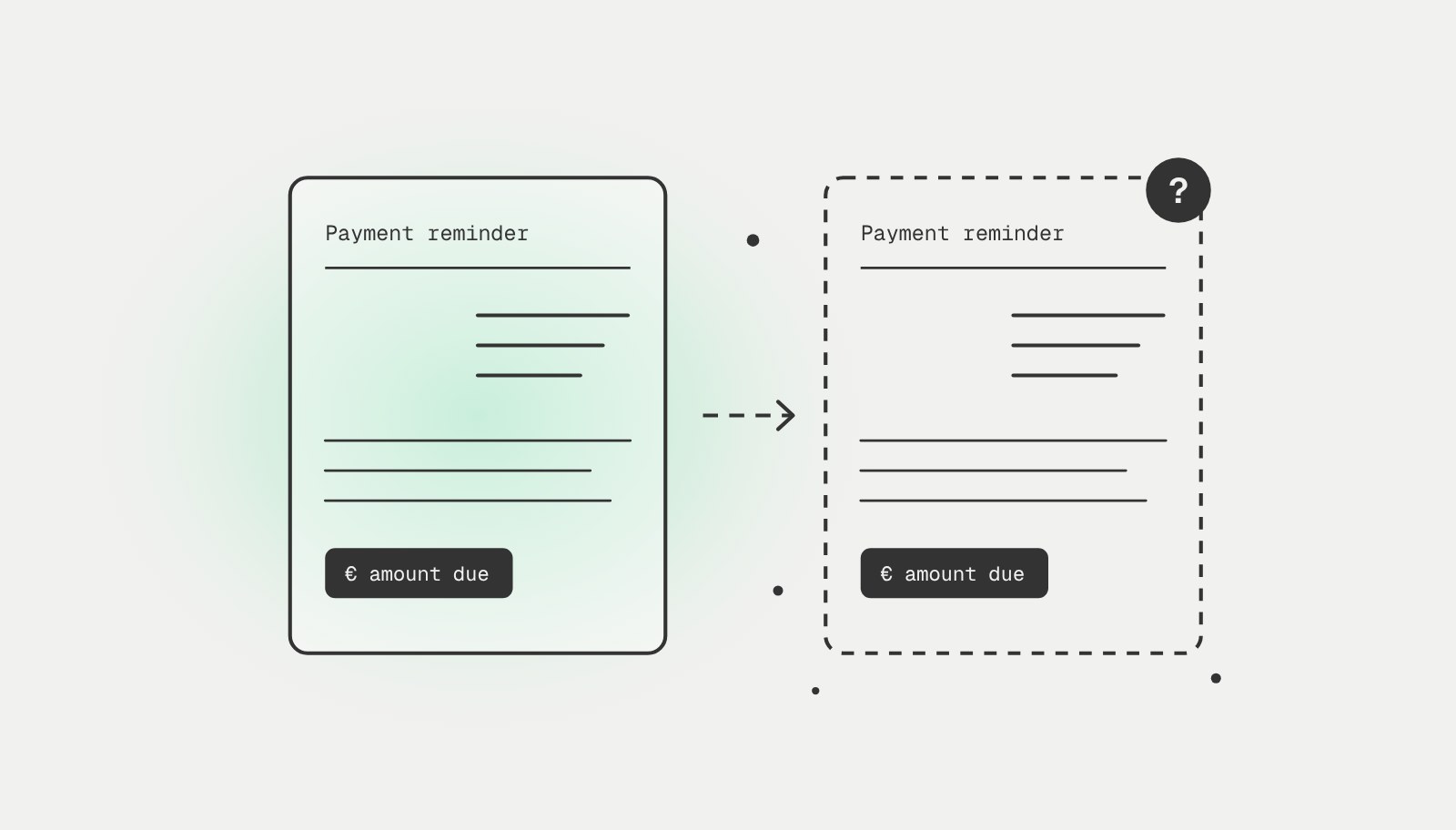
On 14 November, La Poste confirmed that Maileva, a mail-sending platform run by its subsidiary Docaposte, was hit by a cyberattack in mid-September. The names and postal addresses of about 22 million people were stolen. Most have never heard of Maileva: they simply received a letter that a company, landlord or hospital sent through it.
La Poste says bank details, passwords and social security numbers are not affected. But a name, an address and a hint of who writes to you are exactly what a convincing fake letter needs.
What was taken
Maileva sends payslips, invoices, payment reminders and registered letters for businesses. It says it sent 180 million documents in 2024, for clients including social landlords, hospitals and public services.
- For letter recipients: first name, last name and postal address.
- Sometimes the letters themselves. Hôpital Foch in Suresnes told patients that payment reminders sent between 9 and 23 September could have been read, including invoice numbers, care dates and amounts due, but not the nature of their care or bank details.
- Old data too: one social landlord warned that letters from the past ten years may be involved.
Maileva has notified the CNIL, France's data protection authority, and filed a complaint. The Paris prosecutor's cybercrime unit is investigating.
Why a name and address are enough for a scam
A fraudster who knows your name, your address, that your landlord or hospital writes to you, and perhaps roughly what you owe, can send a letter, email or text that looks like the next reminder in a real exchange. A security expert quoted by franceinfo warned that AI makes such campaigns easy to automate, and that the data may be resold and merged with other leaks.
Data that's already public makes this worse. A phone number on a directory site or an email in an old forum post can be joined to a leaked address, and each extra detail makes a fake message more believable.
What to do now
Treat unexpected payment reminders with suspicion, especially ones with new bank details, a short deadline or a QR code. Pay only through your usual account or client portal.
Call the sender on a number you find yourself, never the one printed in the message.
Never give codes, passwords or bank details to someone who contacted you first.
If you got a breach notice, ask the sender which of your data was exposed: just your address, or the letter contents too.
Report scam letters or messages: in France on 17Cyber.gouv.fr, elsewhere to your national police or cybercrime service.
Shrink what can be joined to your address
You can't un-leak a database, but you can reduce what a scammer finds when they search the name and address they bought. France's official Service Public guidance suggests limiting what you share publicly and asking organisations to erase your data where appropriate.
BetterPrivacy searches people-search sites, data brokers, directories, forums and news archives for your details, then helps you send GDPR removal requests and track each takedown. A free scan shows your top 3 results in full, so you can see where to start.
Sources
- Victime d'une cyberattaque, Maileva, une filiale du groupe La Poste, annonce un vol de données touchant 22 millions de personnes (14 November 2026) — franceinfo / AFP
- "Des courriers ont pu être lus" : ce que l'on sait de la cyberattaque contre Maileva (15 November 2026) — franceinfo
- Fuite de données Maileva (La Poste) : 22 millions de personnes touchées (16 November 2026) — IT-Connect
- Comment vous protéger des conséquences d'une fuite de données personnelles ? (28 August 2026) — Service Public (République française)
- Art. 34 GDPR – Communication of a personal data breach to the data subject — gdpr-info.eu (text of Regulation (EU) 2016/679)